
How to Write a Journal
 Download PDF
Journaling is a simple tool that can support your mental well-being. It does not require special skills, expensive materials, or a lot of time.
The Benefits of Journaling
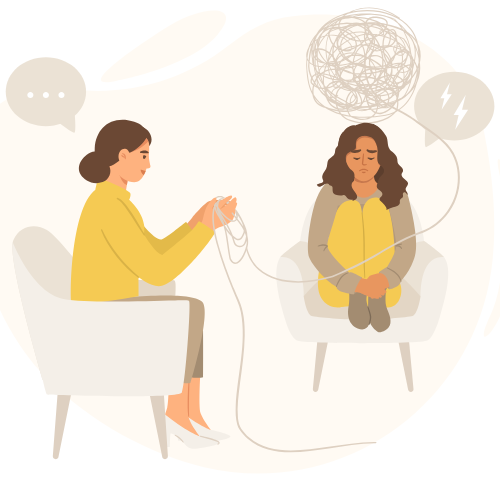
One of the benefits of journaling is stress relief. Writing down your thoughts helps clear your mind. When thoughts stay unspoken, they can feel overwhelming. Writing them down makes them feel more manageable.
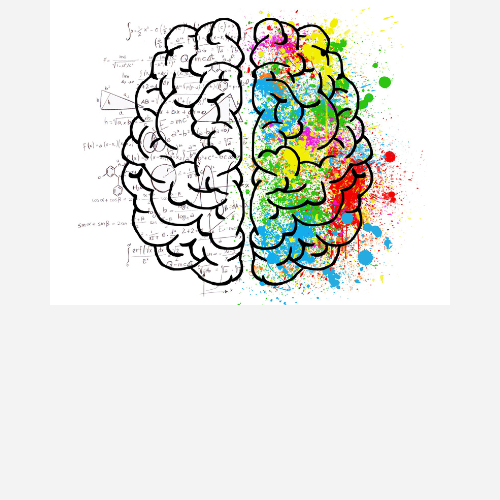
Journaling can also improve emotional awareness. By writing regularly, you may start to notice patterns in your mood, triggers that cause stress, and moments that bring joy. This awareness can help you respond more calmly and thoughtfully to challenges.
Finally, journaling can boost gratitude and positivity. Writing about small wins, meaningful moments, or things you are thankful for can shift your focus away from what is going wrong and toward what is going well. Over time, this can improve overall mood and resilience.
How to Write a Simple Journal:
Starting a journal does not have to be complicated. Keep it simple, so it is easy to maintain.
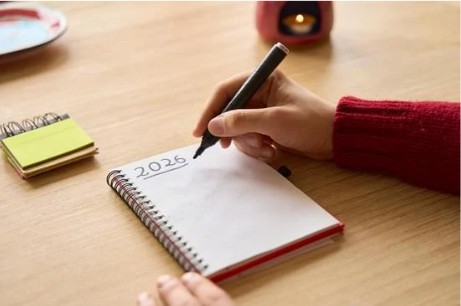
First, choose a format that works for you, such as a notebook, an app, or a document on your computer. Then, try journaling for 5 minutes a few times a week. You do not need to write every day. Do not worry about grammar or spelling. You can also use bullet points if that feels easier.
If you are not sure what to write about, try answering these simple questions:
- How am I feeling right now?
- What was one good thing that happened today?
- What has been on my mind lately?
- What do I need more of right now?
Some days your journal might be only a few words, other days a full page. Both are okay. Journaling should feel supportive and not like another task on your to-do list. Keeping a journal can become a powerful habit that supports your mental health, clarity, and overall well-being.
Written by: Elena Davakis, Health Promotion Coordinator