
Habits for Oral Health
 Download PDF
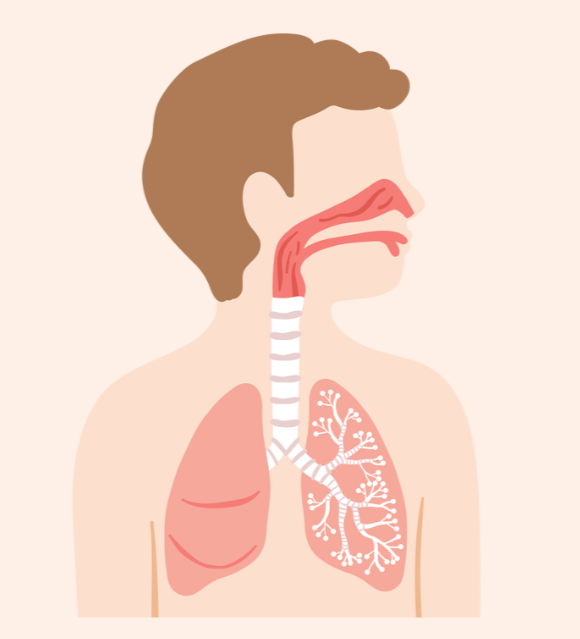
Did you know a healthy mouth contributes to more than your ability to eat, speak, and smile? The mouth is the beginning of the digestive and respiratory systems, connecting it to the rest of the body. This means that when health concerns are present in the mouth, they can impact the rest of the body as well.
The mouth has its own delicate balance of helpful and harmful bacteria, called the oral microbiome. When oral hygiene practices are not maintained, harmful bacteria can build up, leading to complications such as tooth decay and gum disease. In addition, too much harmful bacteria in the mouth increases the risk of developing the following conditions:
• Cardiovascular disease
• Endocarditis (an infection of the lining of the heart)
• Pneumonia
• Acid reflux (GERD)
• Premature birth and low birth weight in babies born to a carrying parent with poor oral hygiene
The good news is, only a few minutes each day can make a big difference in the health of your mouth and your overall well-being! Choose 1 or 2 of the followig health habits to improve your oral care routine today:
• Brush your teeth for at least two minutes, twice per day. Use a brush with soft bristles and a fluoride-containing toothpaste. Remember to brush your tongue too!
• Replace your toothbrush every 3 months or earlier if the bristles are wearing out.
• Clean between your teeth daily. This can be done with dental floss or a water flosser.
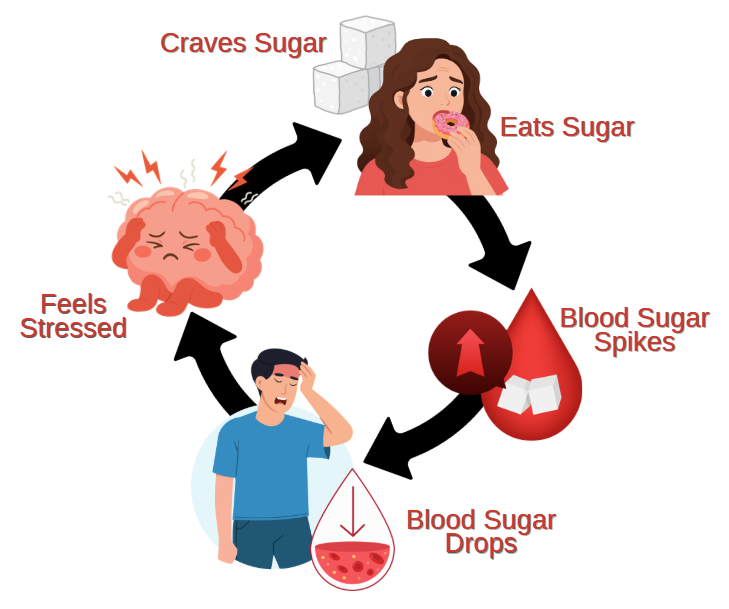
• Limit food and drinks that are high in sugar, such as pastries, candy, pop/soda, and sugar in coffee or tea. Sugar contributes to the growth of harmful bacteria in the mouth.
• Avoid or quit smoking/vaping tobacco and marijuana. Smoking is a direct cause of gum disease, tooth decay, and mouth cancer.
• Avoid alcohol. Alcohol contributes to dry mouth, inflammation, enamel damage, tooth staining, and increases your risk for oral cancer.
• See a dentist regularly. Seeing a dentist every 6 months is recommended for prevention and management of most oral conditions. If you have a health condition that impacts your immune system, such as diabetes, cancer, some autoimmune diseases, or HIV/AIDS, you may need to see a dentist more often.
• Stay hydrated with water. Water keeps your mouth moisturized, neutralizes acid, and washes away debris from food and drinks.
• Breathe through your nose. Mouth breathing dries the mouth, leading to bacteria growth and bad breath.
Written by: Amy McKeown, Health Promotion Coordinator