
Are Fats Good?
 Download PDF
Fat is often negatively viewed because of its association with weight gain and heart disease. However, fat is an important nutrient that the body needs to function properly. Fat is a macronutrient, which helps the body by:
- Providing energy: Fat gives the body energy. Each gram of fat contains more than twice the energy of carbohydrates or proteins.
- Building cells: Fat helps form the membranes that surround every cell in the body.
- Helping absorb vitamins: Fat allows the body to absorb vitamins A, D, E, and K. These vitamins help with immune health, vision, and blood clotting.
- Protecting organs: Fat protects organs by forming a cushion around them.
- Maintaining body temperature: Fat acts as insulation, helping keep the body warm.
There are four main types of dietary fats: Monounsaturated fats, polyunsaturated fats, saturated fats, and trans fats.
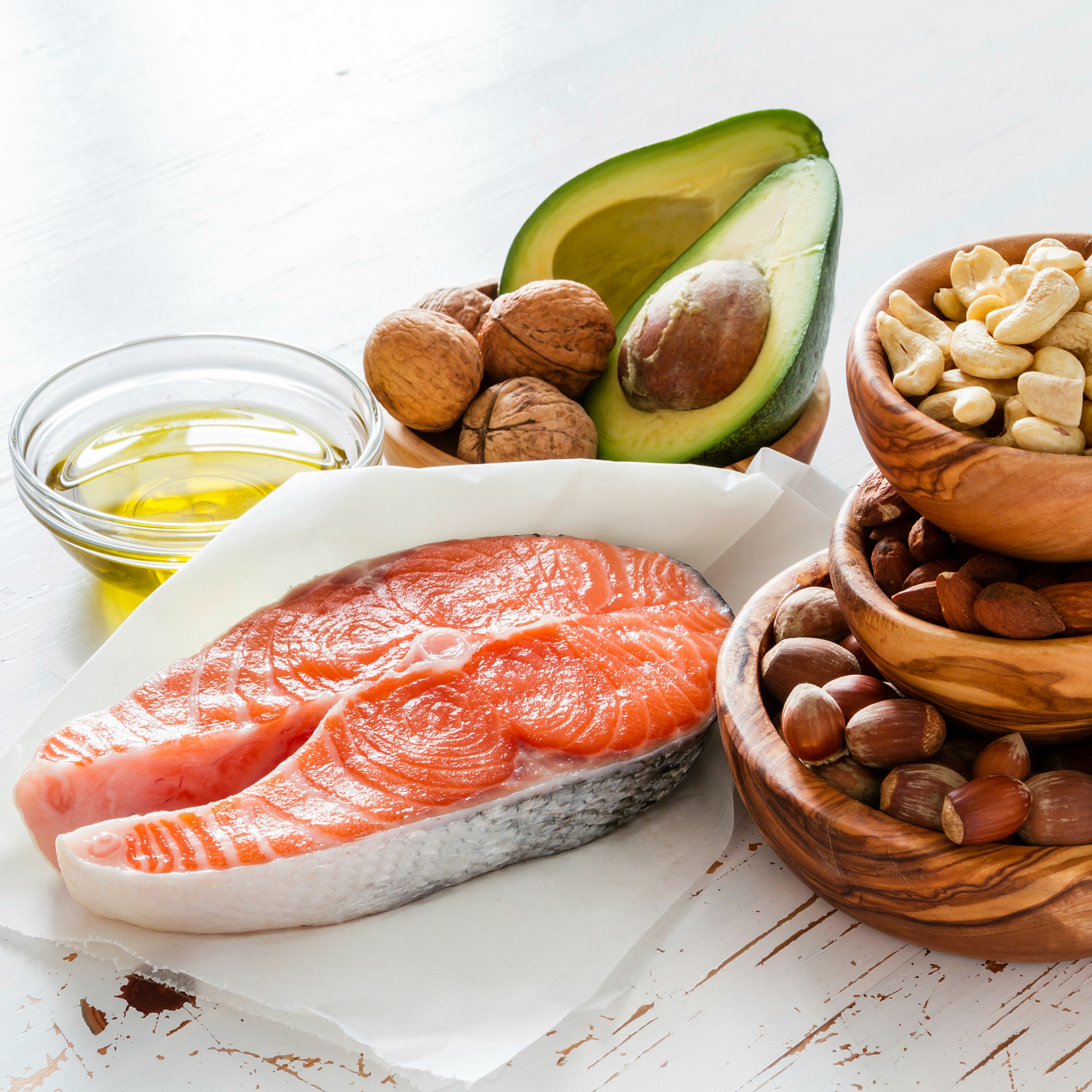
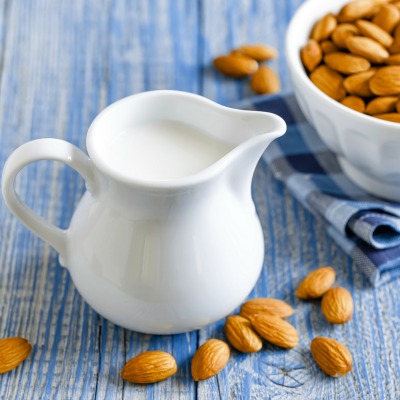
• Monounsaturated and polyunsaturated fats are usually considered the healthier types. They are commonly found in foods such as avocados, nuts, seeds, and fish. Some polyunsaturated fats are called essential fatty acids, such as omega-3 and omega-6. Essential fatty acids are important because they support heart health and help the brain work properly. The body cannot make them on its own, so they must come from the foods we eat.
• Saturated fats and trans fats should be eaten in smaller amounts. Saturated fats are often found in foods like red meat, butter, and some dairy products. Eating too much saturated fat can increase LDL (“bad”) cholesterol, which may raise the risk of heart disease. Trans fats, which are often created during food processing, are considered the least healthy type of fat. They also increase the risk of heart disease by increasing LDL cholesterol and lowering HDL (“good”) cholesterol, the cholesterol that helps “clean” plaque from the arteries.
Although many diets encourage people to avoid fats, research shows that fats are an important part of a healthy diet. The goal is not to remove fats completely, but to choose healthier types (focus on increasing unsaturated fat intake) and eat them in appropriate amounts. Fats help provide energy, support nutrient absorption, and keep the body working properly when included as part of a balanced diet.
Written by: Elena Davakis, Health Promotion Coordinator