
Macronutrients & Micronutrients
 Download PDF
Nutrients are substances in food that keep our bodies functioning optimally. Nutrients can be divided into two major categories: Macronutrients and micronutrients. Both contribute to healthy nutrition.
What are Macronutrients (Macros)?
Macronutrients are carbohydrates, proteins, and fats. They are nutrients we need in large amounts, as they provide us with energy. Macronutrients are typically measured in grams.
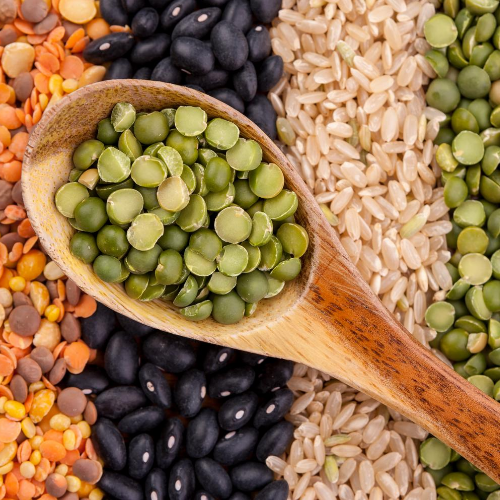
• Carbohydrates: Carbohydrates (carbs) are the body’s main source of energy. During digestion, carbs are broken down into glucose for fuel.
• Proteins: Proteins are the building blocks of the body. During digestion, they are broken down into amino acids and used to grow and repair tissues and build muscles.
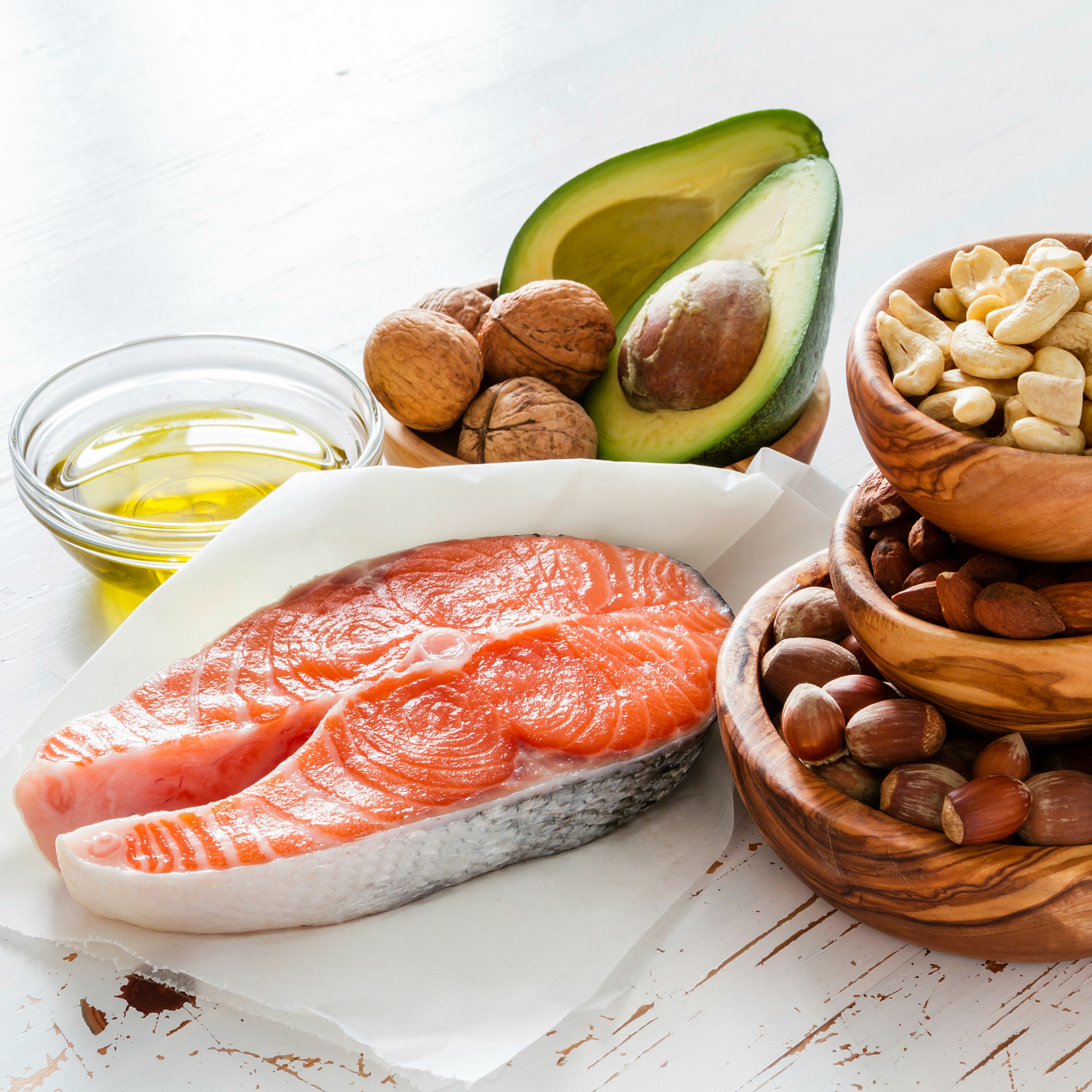
• Fats: Fats are broken down into fatty acids and glycerol during digestion and provide the body with long-term energy. They also support brain development and help protect our organs.
Continue following along with the Good For You Wednesday articles all month long for more detailed information on each of the macronutrients.
What are Micronutrients?
Micronutrients are vitamins and minerals. These are nutrients we need in smaller amounts and they are typically measured in milligrams (mg), micrograms (mcg), or international units (IU). Vitamins consist of 2 categories: Water-soluble vitamins and fat-soluble vitamins. Water-soluble vitamins include 12 types of B vitamins and vitamin C. Fat-soluble vitamins include vitamins A, D, E, and K.
Common minerals you may see on a nutrition label include:
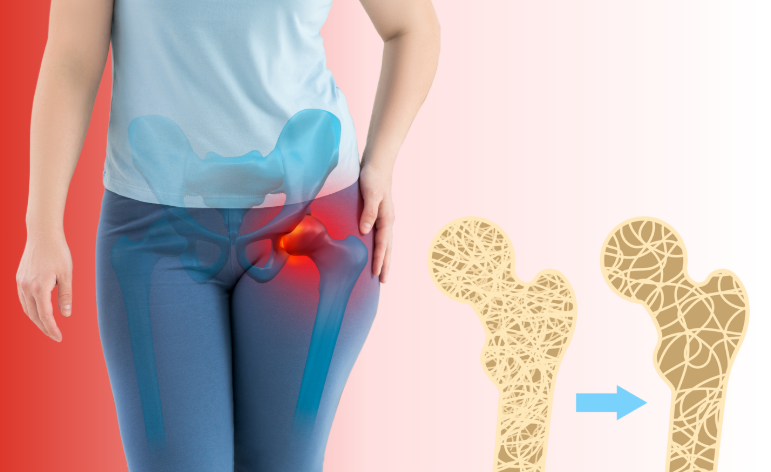
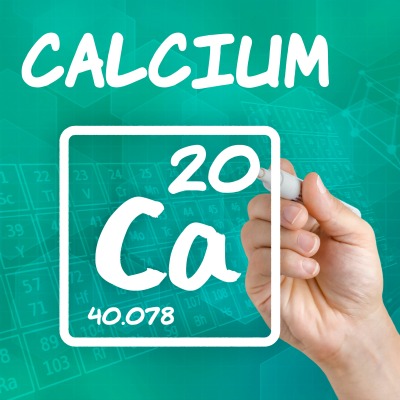
• Calcium: Builds strong bones and teeth and supports muscle contraction. Calium is found in dairy products, tofu, beans, broccoli, and chia seeds.
• Magnesium: Supports healthy blood pressure, supports stress management, and muscle and nerve function. Magnesium is found in pumpkin seeds, almonds, and spinach.
• Sodium: An electrolyte that maintains proper fluid balance in the body.
• Potassium: Regulates blood pressure, supports muscle and nerve functioning, and improves bone health. Potassium is found in sweet potatoes, spinach, bananas, and artichokes.
To ensure you are getting enough of each nutrient, eat a variety of both macro and micronutrients. There are some blood tests to look at certain nutrient levels, such as iron, B12, and vitamin D but not every nutrient can be tested. A dietician can do a detailed diet review to ensure you are meeting your requirements. If you are not, some simple dietary changes or a nutritional supplement may be recommended.
Written by: Amy McKeown, Health Promotion Coordinator