
Caffeine Intake
 Download PDF
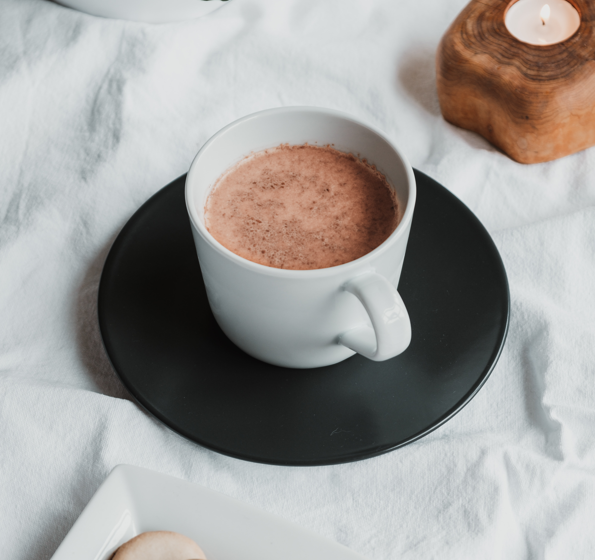
For many people, caffeine is an essential part of their routine. While the amount of caffeine you consume is important, when you consume it can also influence your energy levels, exercise performance, and sleep quality.
When is the "best" time to have a caffeinated drink?
Many people believe you should wait 60 to 90 minutes after waking up before having coffee. However, research has not shown any clear benefit to delaying your caffeine intake.
For most people, the best time to drink coffee or tea is whenever it fits their routine. If you use caffeine to support your workouts, try having it 45 to 60 minutes before exercise. This may help improve endurance, focus, and reaction time.
Why does timing matter for sleep quality?
Caffeine works by blocking adenosine, a chemical that helps you feel sleepy. This can improve alertness and reduce feelings of fatigue. However, caffeine stays in your system for several hours. As a result, a coffee or tea later in the day may still affect your sleep at bedtime.
To help minimize sleep disruption:
- Do not consume moderate-caffeine products (less than 200mg of caffeine) within 10 hours of bedtime.
- Do not consume higher-caffeine products (200+ mg of caffeine), such as some energy drinks or pre-workout supplements, within 13 hours of bedtime.
How much caffeine is safe?
- For most healthy adults, up to 400 mg of caffeine per day (about four 8oz or 235mL cups of coffee) is considered safe.
- Factors such as genetics, age, medications, pregnancy, and individual sensitivity can influence how long caffeine stays in the body.
- Everyone responds to caffeine differently. If caffeine makes you feel anxious or jittery, or affects your sleep, try drinking less or avoiding it later in the day.
Important reminder
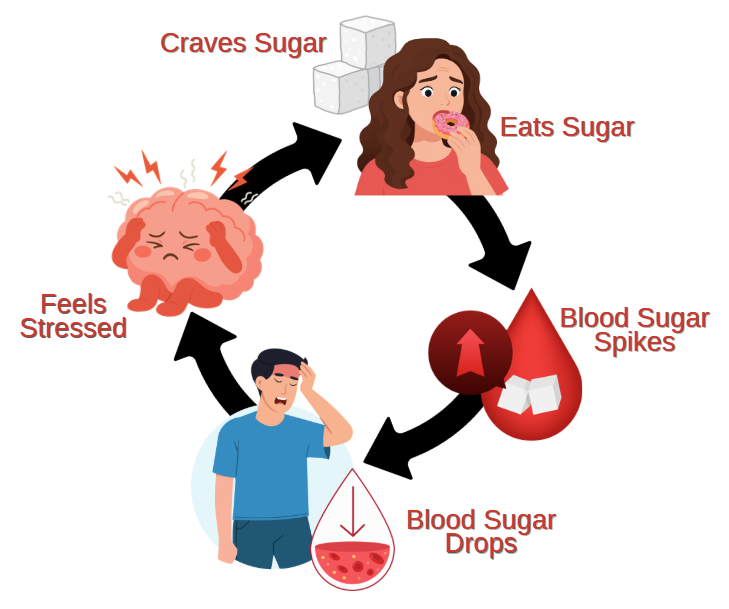
Be mindful of what you add to your coffee or tea. Large amounts of added sugar, cream, or flavoured syrups can increase the calories, sugar, and saturated fat content of your drink. Choosing lower-sugar options can support overall health and help maintain healthy blood sugar and cholesterol levels.
Written by: Elena Davakis, Health Promotion Coordinator