
A Proactive Approach to Talk Therapy
 Download PDF
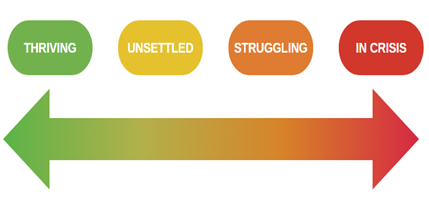
Most people think of therapy as something you turn to when things fall apart after a loss or crisis, but what if you did not have to wait until you were struggling? A proactive approach to talk therapy challenges that idea. Instead of treating mental health like a fire you need to put out, it treats it like a garden you tend to regularly.
What Does "Proactive" Mean in Therapy?
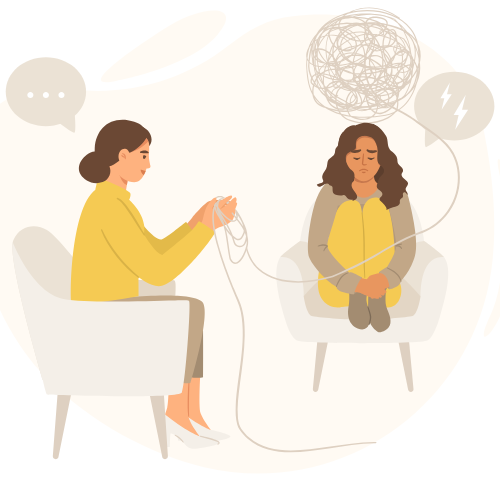
Being proactive means taking action before a problem gets serious. In talk therapy, this looks like scheduling sessions not because something is wrong, but because you want to stay mentally strong. It is the same thinking behind going to the dentist before you have a toothache. Proactive therapy focuses on building skills, understanding your thought patterns, and strengthening your emotional health.
Why It Works
When you are already in crisis, it can be hard to think clearly. Learning coping skills in the middle of a breakdown is like trying to learn how to ride a bike while already going downhill. But when you are calm and stable, your brain is far more open to learning. Proactive therapy gives you the tools before you need them. You learn ways to manage emotions, set boundaries, and handle conflict, helping you feel more prepared when life gets hard. Studies show that people who engage in therapy during stable periods are better equipped to handle future stress and recover faster when setbacks do happen.
What It Looks Like in Practice
A proactive therapy routine might include regular check-ins to reflect on your emotional health, goal setting focused on personal growth, and skill-building around communication or stress management. Not all sessions will be the same. Some conversations may focus on recognizing patterns and reframing your thoughts, such as learning to say, “I’ve noticed I shut down when I feel criticized,” instead of “I’m overwhelmed.”
The Bottom Line
One reason people hesitate to seek therapy is the belief it is only for those who are "really struggling." This mindset often keeps people from getting help until things are much worse. Going to therapy when you are doing well is a sign of self-awareness, not weakness. Think of it less as a last resort and more as one of the best investments you can make in yourself. It is just as important to train our brains to support our mental health as it is to exercise our muscles to support our physical health.
Written by Rayan Alameddine, Health Promotion Coordinator