
How Culture Influences Sleep Posture
 Download PDF
Sleep is one of the most studied human behaviours in history. It is something we all do daily and rely on for survival and well-being. We usually only focus on how much sleep we get, but the position we sleep in also plays a role in our health and quality of rest.
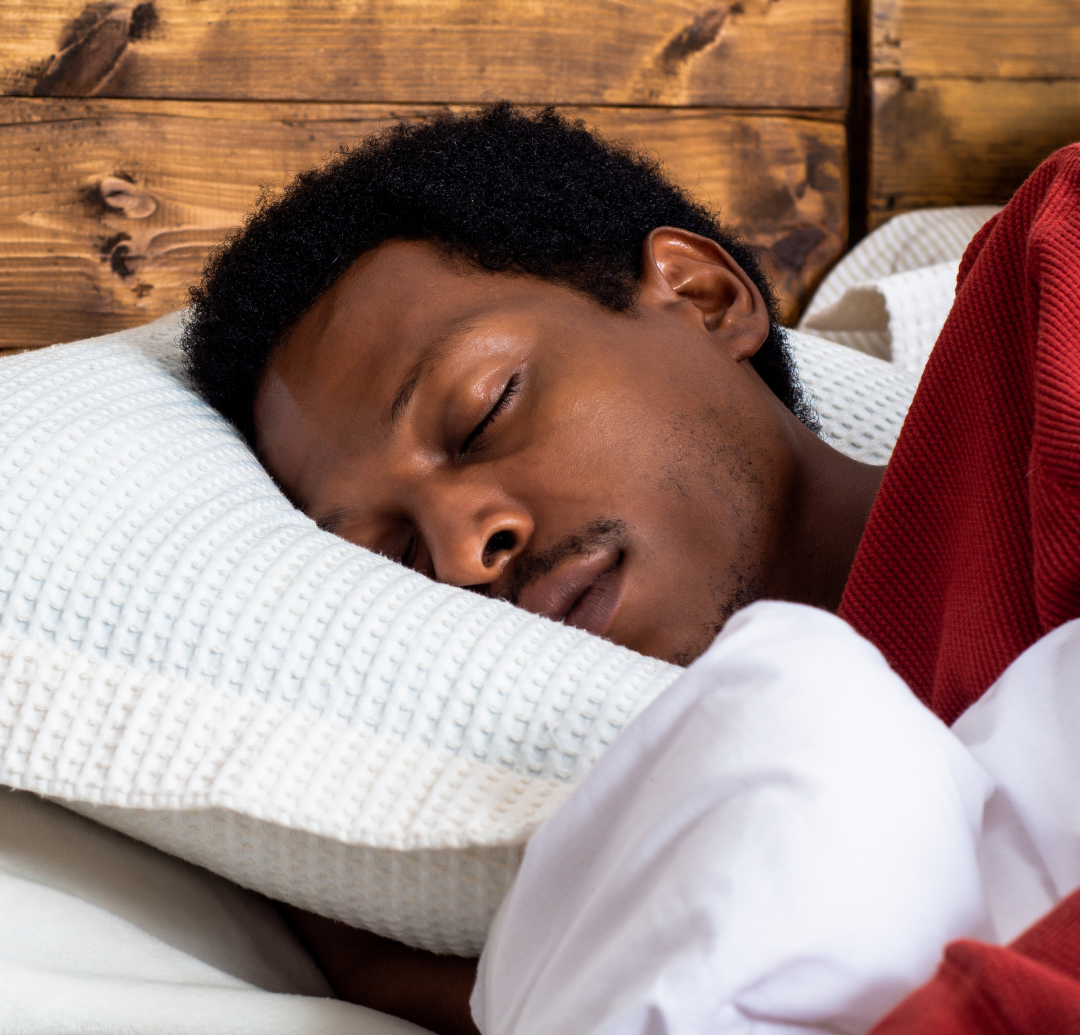
Side-lying is a popular position for its ability to relieve back pain, but how we choose to sleep is influenced by much more than personal comfort or pain management.
Culture plays an important role in shaping sleeping habits around the world. The environments we sleep in, the traditions we grow up with, and our beliefs about sleep can all affect the positions we use during sleep.
Sleeping Traditions Around the World:
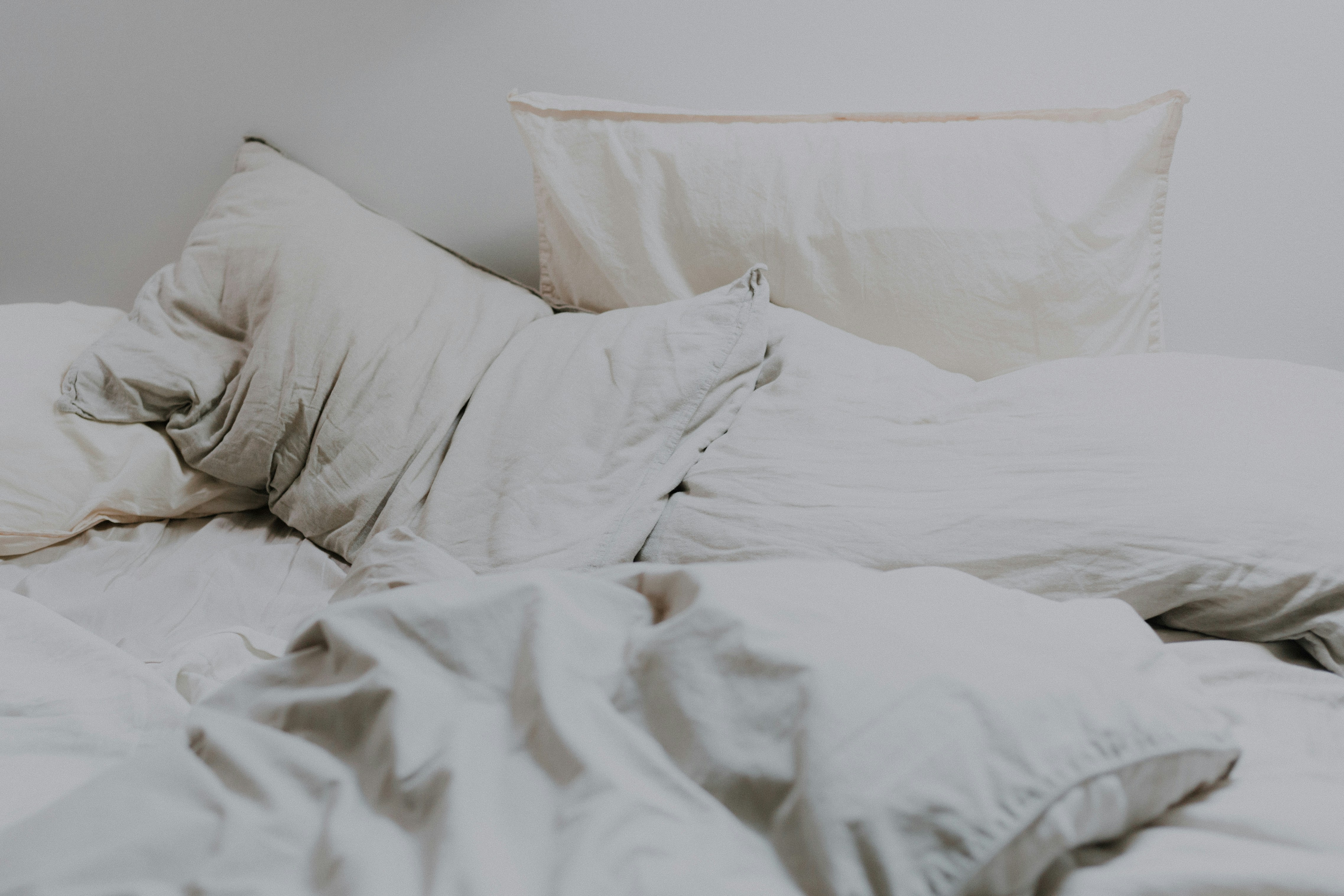
- Western Sleeping Postures: Side sleeping and stomach sleeping are among the most common sleep positions. Soft mattresses, elevated bed frames, plush bedding, and supportive pillows make side sleeping especially comfortable. Many people also associate side sleeping with improved breathing, reduced snoring, and better sleep quality.
- Floor Sleeping: Common in parts of Asia and the Middle East, floor sleeping often involves mats, futons, quilts, or padded bedding. Connected to tradition, climate, and efficient use of living space, firmer surfaces often encourage back or side sleeping.
- Hammock Sleeping: In parts of Latin America, the Caribbean, and among some Indigenous communities, hammocks provide airflow in warm climates and naturally position the body in a curved posture, leading people to sleep on their back or side.
- Shared Sleeping Spaces and Co-Sleeping: Common throughout Asia, Africa, and South Asia, shared sleeping spaces emphasize family closeness and community. People may adapt their sleep position to accommodate others sharing the same sleeping environment.
- * The Scandinavian Method: The Scandinavian method of sleeping involves each bed partner having their own single duvet or comforter while sharing one bed. This sleep style allows for co-sleeping while limiting disruptions from a bed mate tossing and turning and allows each individual to personalize their bedding to their comfort and temperature preferences.
Although biological factors (i.e., age, sex, aches and pains) influence how we sleep, culture plays an important role in shaping our sleeping habits. From soft mattresses in Western countries to floor sleeping traditions in Asia, the environments and customs surrounding sleep influence which positions feel most natural and comfortable. These differences highlight the fascinating relationship between culture, environment, and one of humanity's most essential behaviours: sleep.
Written by Sydney Glac (Health Promotion Coordinator)