
Men's Cancer Awareness
 Download PDF

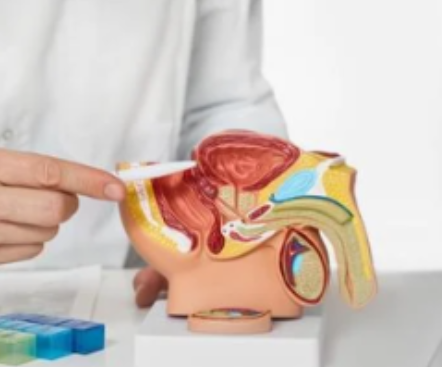
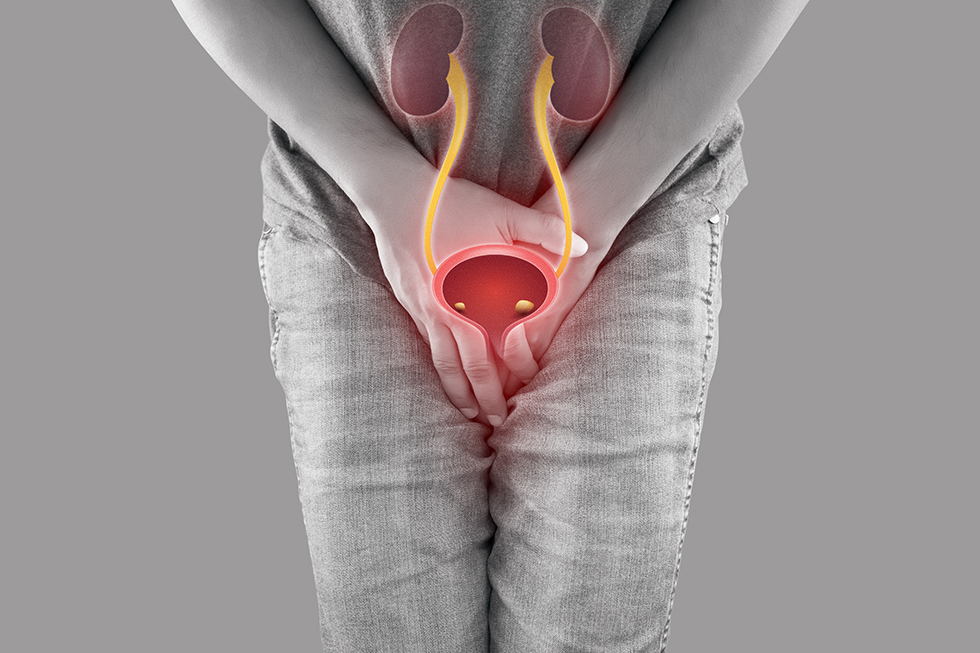
Prostate Cancer Prostate cancer is one of the most common cancers in men worldwide, with more than 1.4 million diagnoses each year. It develops when abnormal cells grow uncontrollably in the prostate. While the exact cause is unknown, risk is influenced by factors such as older age, family history, genetics, ethnicity, geographic location, and lifestyle.
Many people with prostate cancer do not experience symptoms especially in the early stages. When symptoms do occur, they may include:
- Frequent urination, especially at night
- Painful urination
- Weak or interrupted urine flow
- Difficulty emptying the bladder
- Blood in the urine and semen
- New difficulty getting or maintaining an erection
- Pain or discomfort when sitting
Prostate cancer often develops slowly and may not cause any symptoms in its early stages. When detected and treated early, the outcomes are usually better, which is why discussing your risk factors and screening options with a healthcare provider is important. If you are concerned about any changes you experience, talk with your doctor.
Testicular Cancer Testicular cancer is the most common type of cancer in young men starting at age 15 to 44. It occurs when abnormal cells grow uncontrollably in one or both testicles. More than 90% of testicular cancers begin in germ cells, the cells that produce sperm. The two main types are seminomas and non-seminomas. While the exact cause of testicular cancer is unknown, factors such as family history, previous testicular cancer, certain genetic conditions, and an undescended testicle at birth may increase risk. Although testicular cancer is relatively uncommon, it is one of the most treatable forms of cancer. When found early, the chances of successful treatment and recovery are very high. Common signs and symptoms of testicular cancer may include:
- A lump or swelling in a testicle
- A feeling of heaviness in the scrotum
- Pain, discomfort, or aching in a testicle or the scrotum
- A difference in the size or shape of a testicle
- A dull ache in the lower abdomen or groin
- Sudden fluid buildup in the scrotum
Being aware of changes in your body and reporting any unusual symptoms to a healthcare provider is important. Early evaluation can help identify concerns sooner and improve treatment outcomes. If you notice any changes in your testicles or scrotum, speak with your healthcare provider for guidance on appropriate assessment and next steps.
Written by Cynthia Nakabiri, Health Promotion Coordinator